Most of us were taught that a good fit is something a fitter decides. You stand still, someone reaches around you with a tape measure, and a number comes back. For a lot of women that measuring-tape moment is also the last time a bra ever felt right, because the number on the tape and the way a bra actually feels on your body are not the same thing.
Here is the more useful truth. Your body already knows whether a bra fits. It tells you all day, in signals most of us were trained to override. You just have to know what to listen for. Four things decide it, and you can check all four yourself, at home, in the mirror, in about a minute.
1. The band does the work
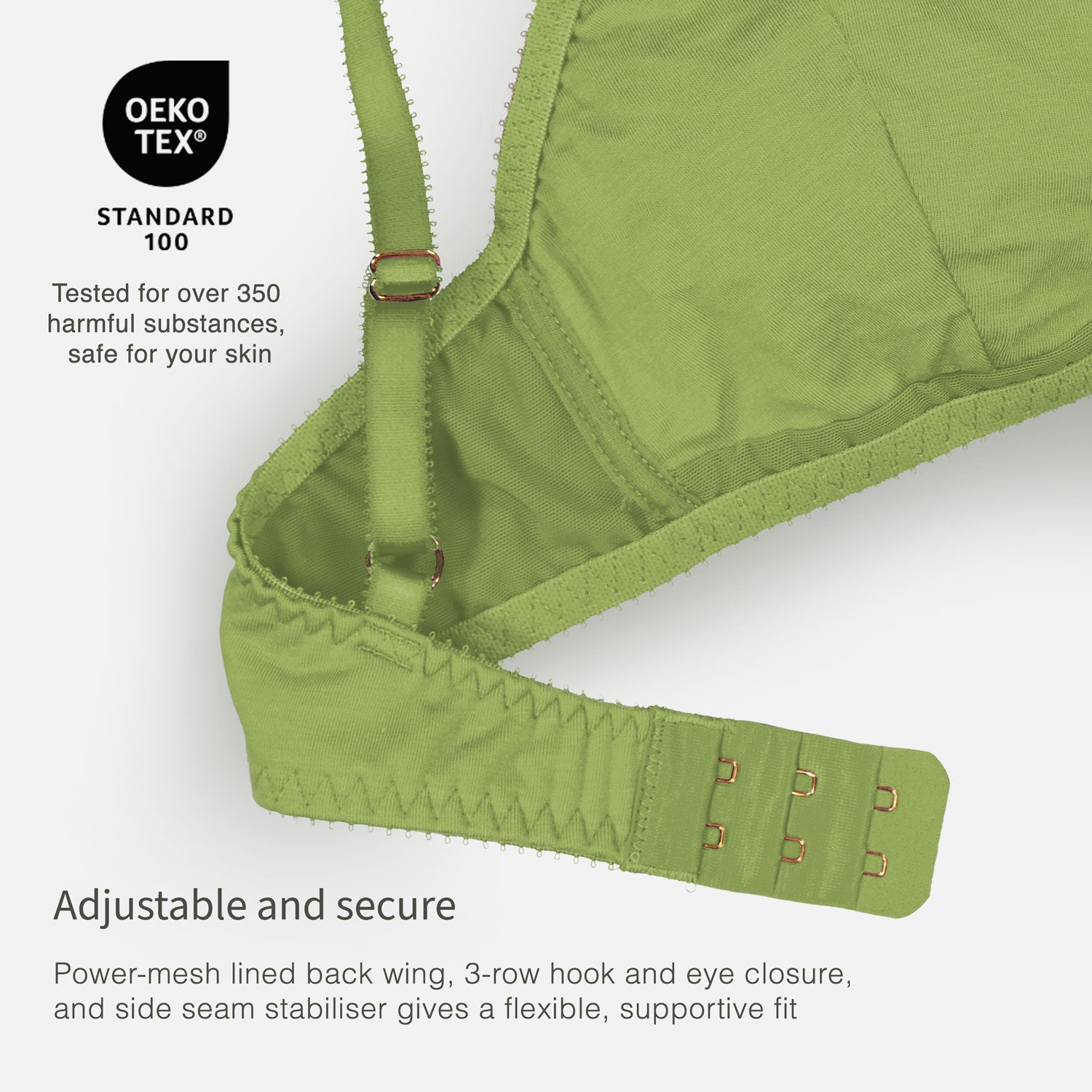
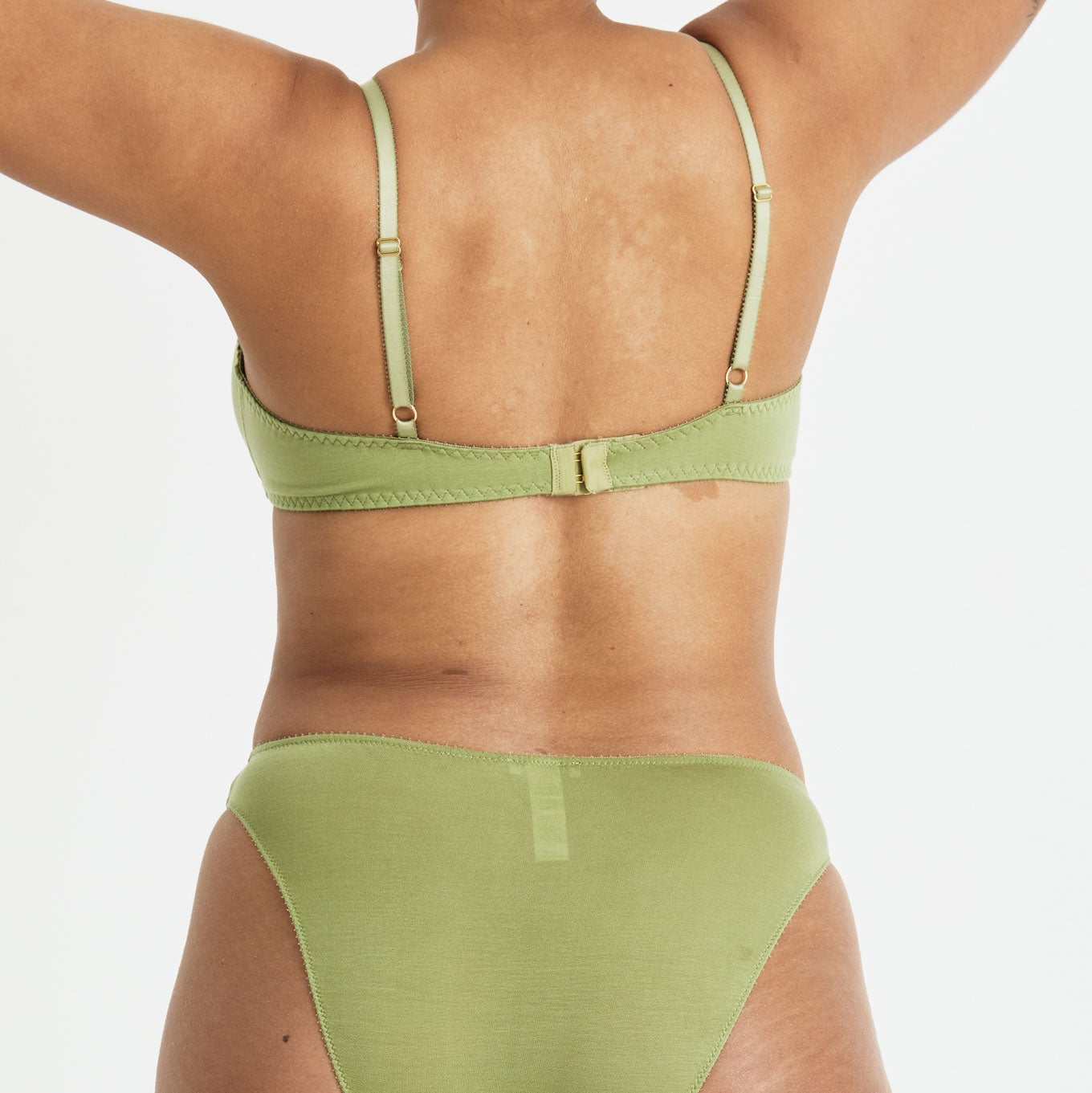
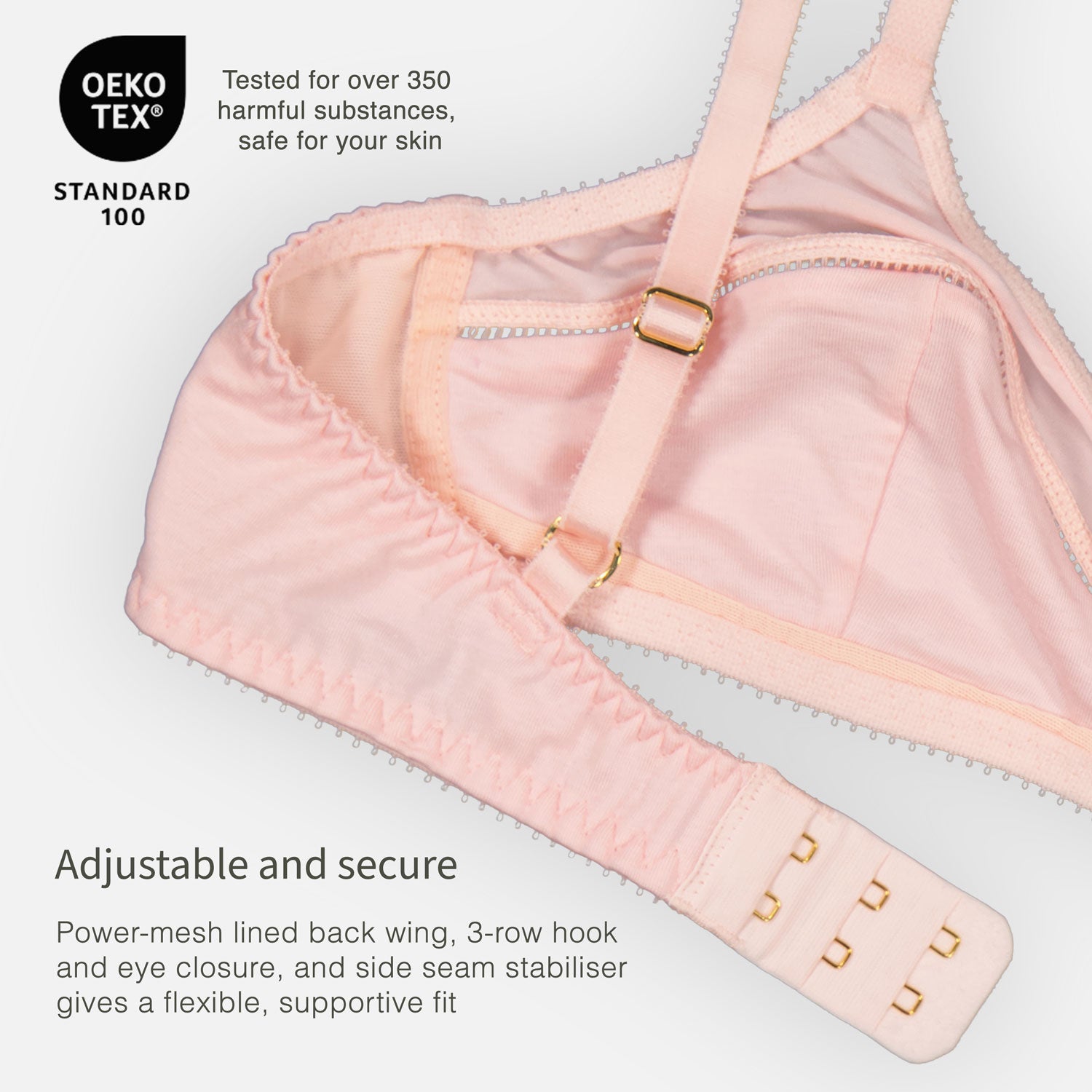
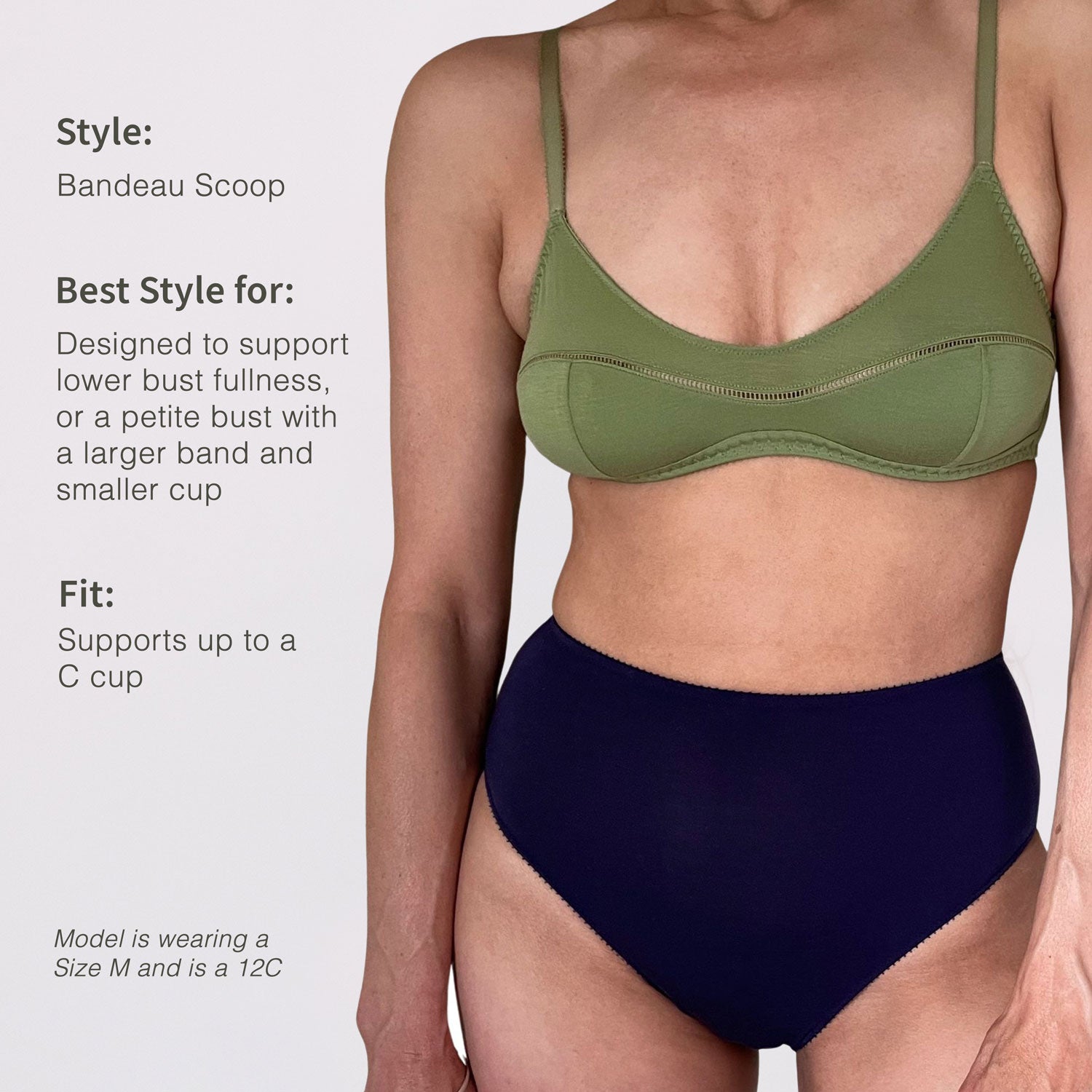
This is the one almost everyone gets wrong. Support comes from the band around your ribcage, not from the straps over your shoulders. A band that fits sits level all the way around, front and back, and stays there when you lift your arms. If it rides up your back, it is too loose, and every bit of support it is not giving is being handed to your straps instead.
The test: run two fingers under the band at the front. They should slide under with a little resistance and no more. If there is room to spare, size down the band. If you cannot get them under at all, size up. On a Videris bra the wide soft satin underband is the primary support point, so this is where fit lives or dies.
2. The straps stay put, and stay comfortable
Straps are there to stop the cups falling forward, not only to hold the weight of your breasts. If yours are leaving grooves in your shoulders, the instinct is to tighten them. It is almost always the wrong move. Grooves mean the straps are carrying weight the band should be carrying, and tightening them just digs the problem in deeper.
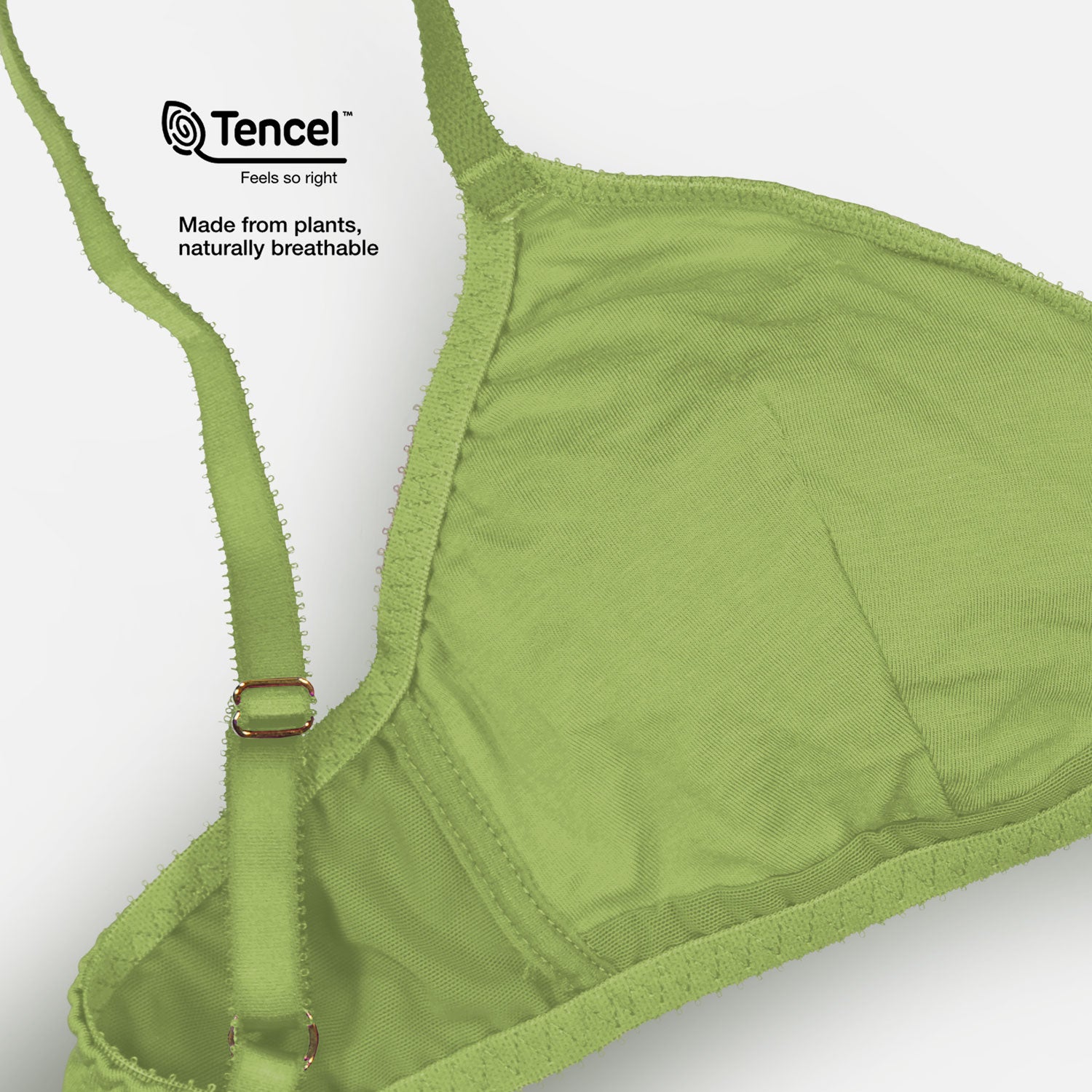
The test: you should be able to slide a finger under the strap and lift it about two centimetres off your shoulder with a gentle, even tension. If they dig, loosen them and check the band first. If they slip off or need adjusting constantly, that is most often a sign of poor-quality elastic, or sliders that are not gripping and holding the elastic in place.
3. The cups hold everything, smoothly
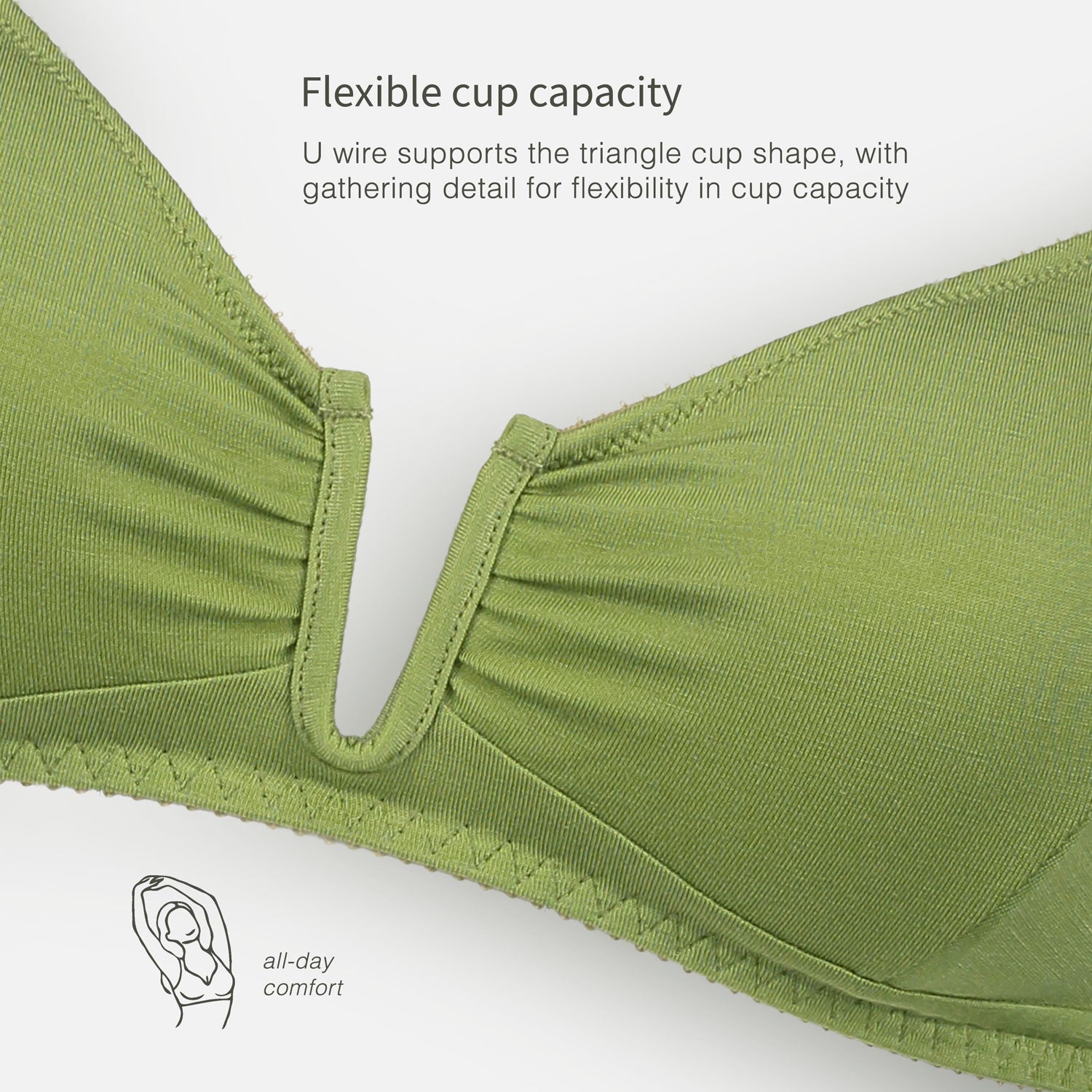
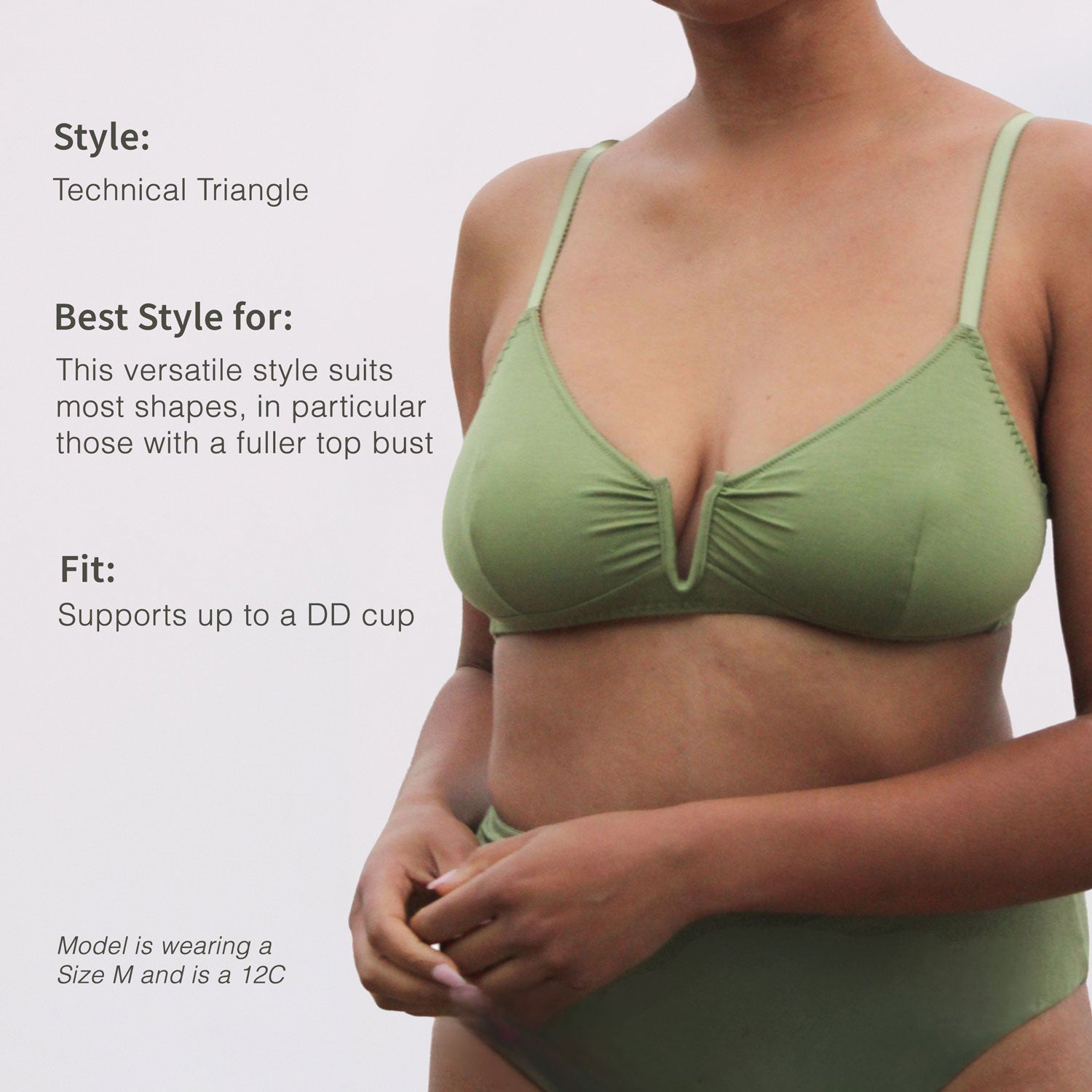
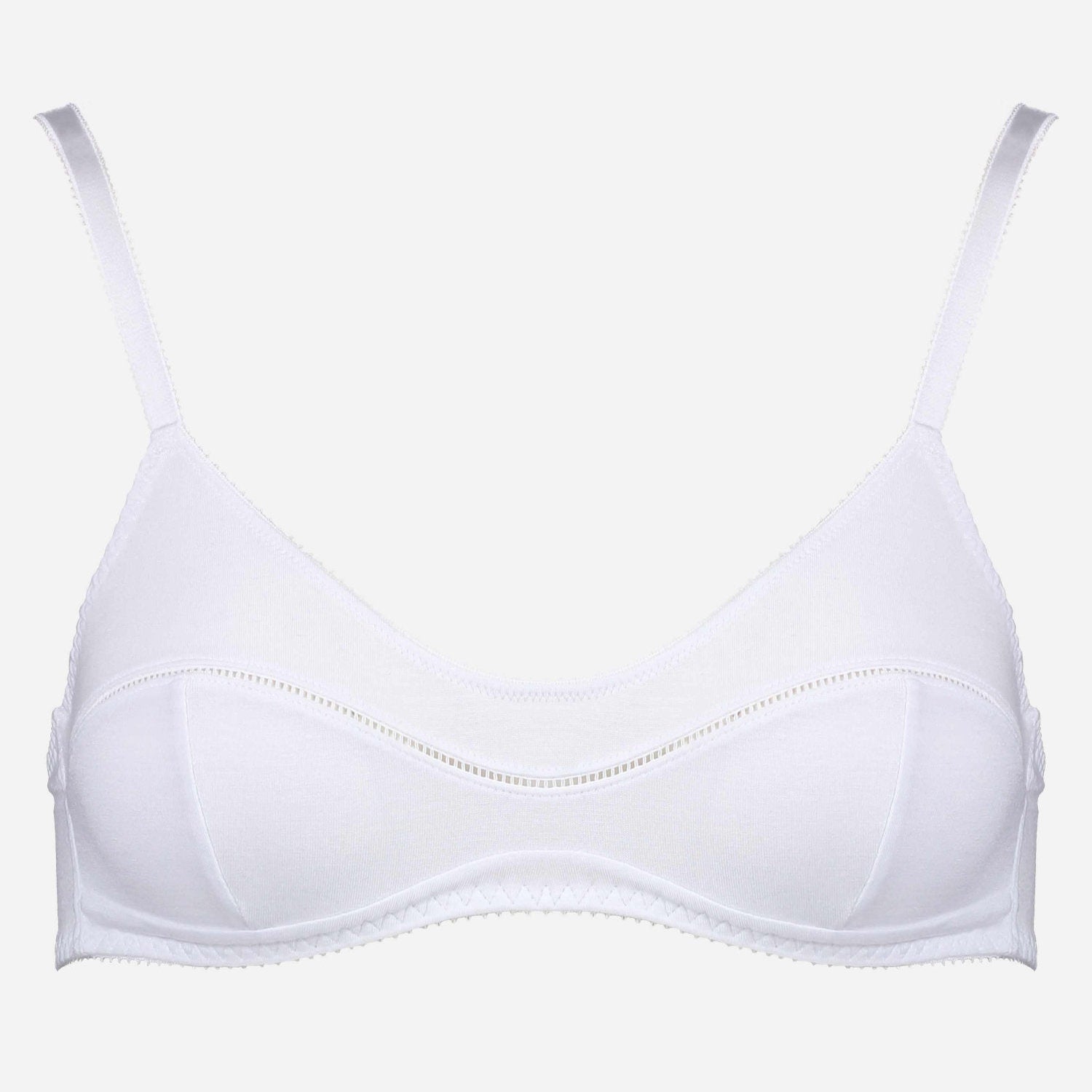
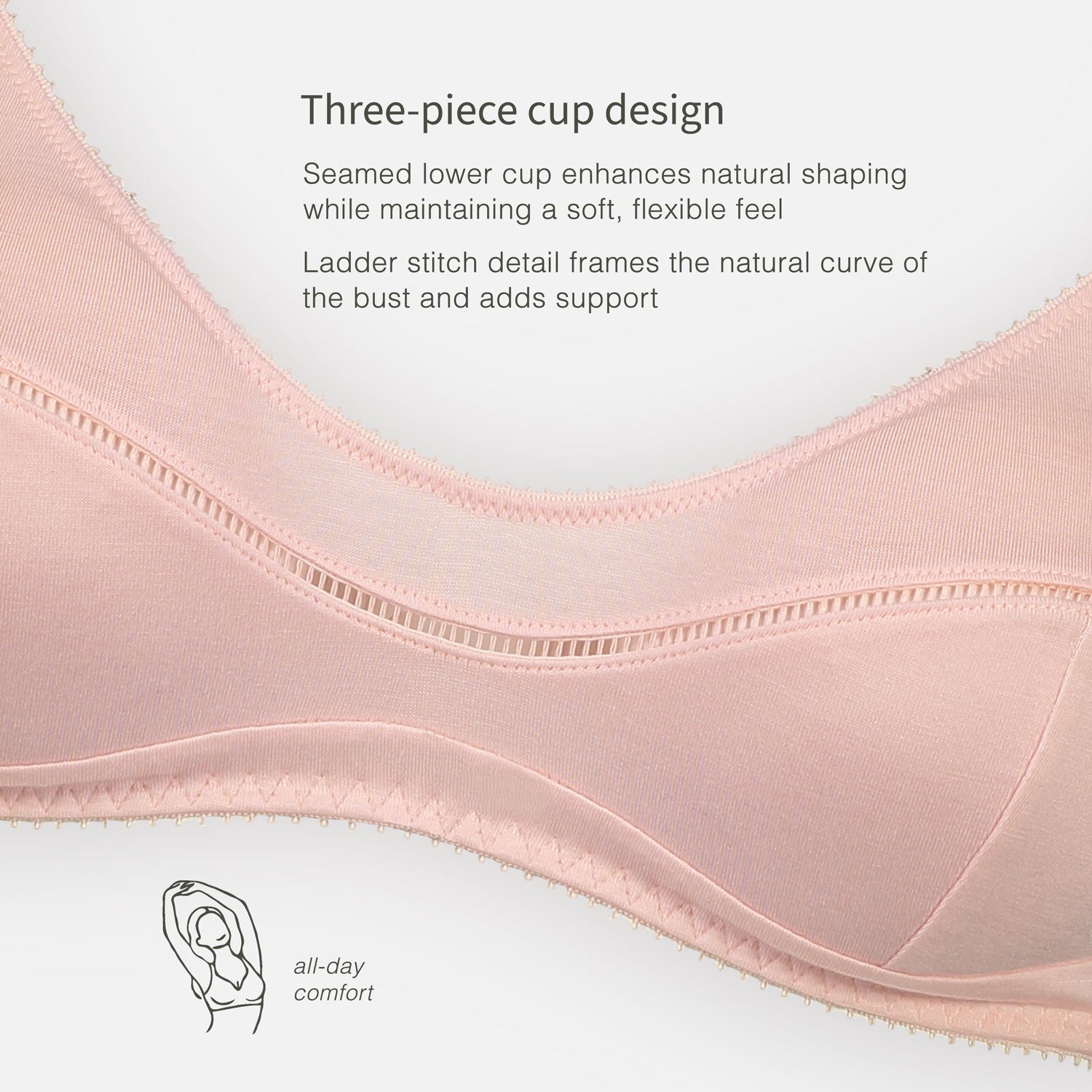
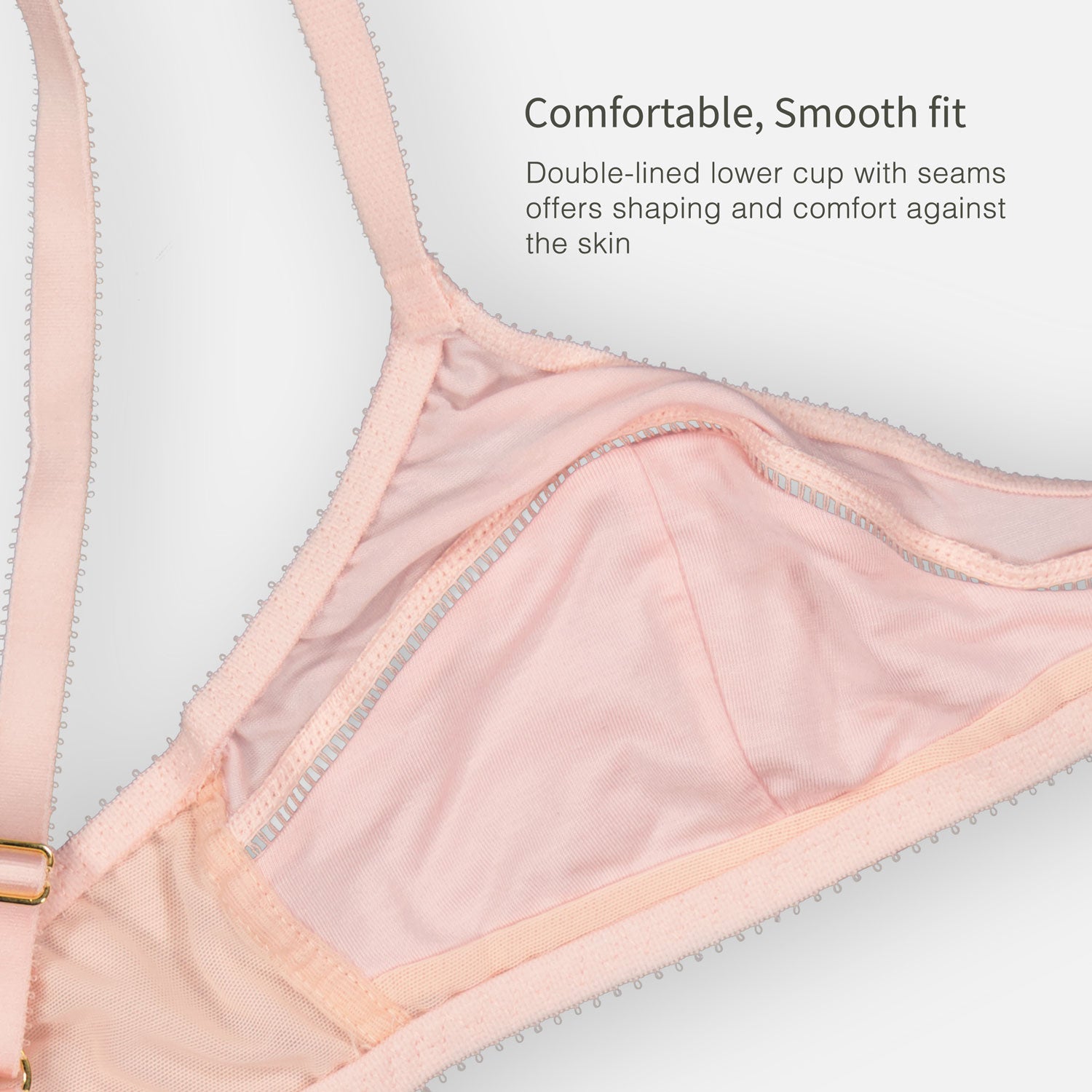
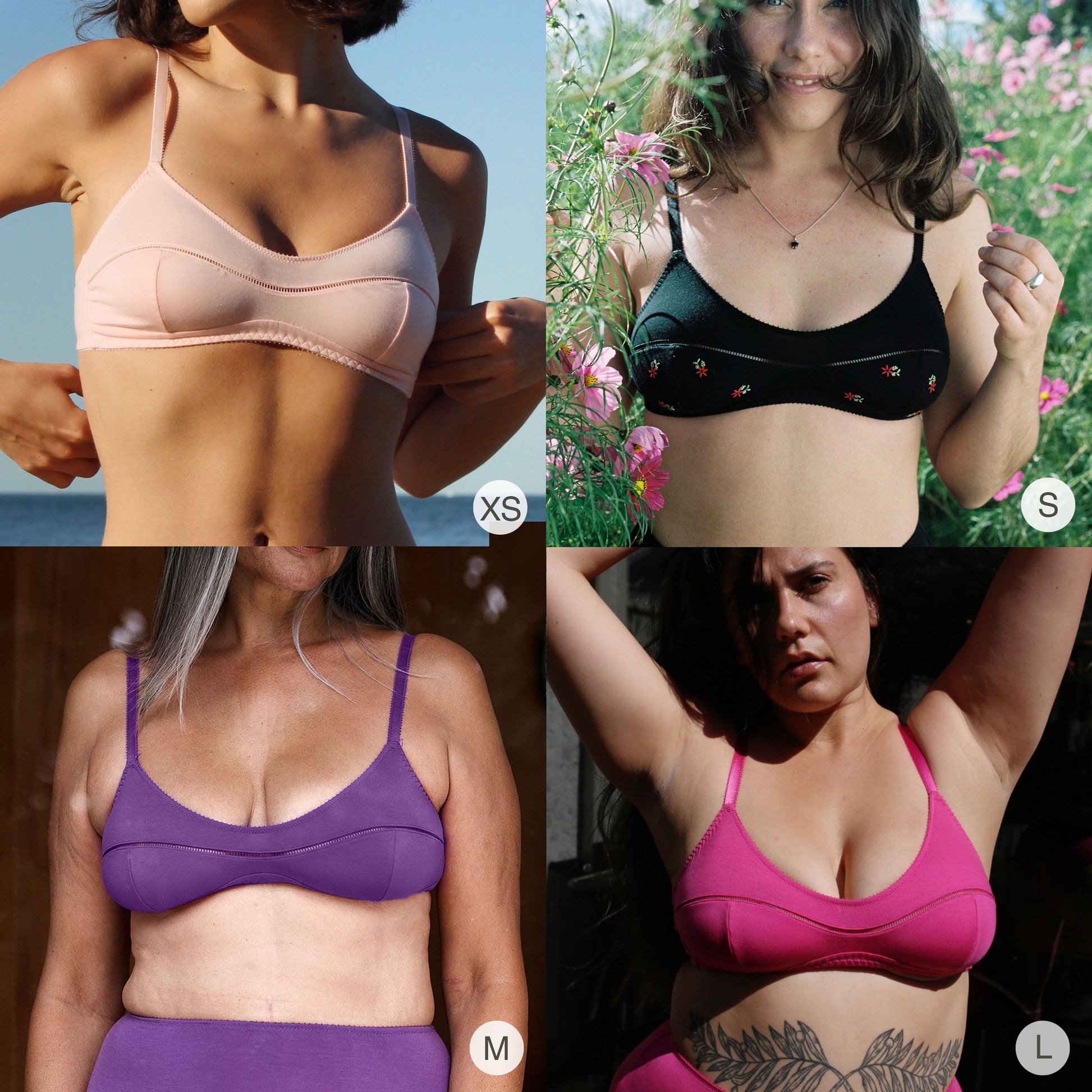
A cup that fits contains the whole breast with no overflow at the top or the sides, and no empty pockets of fabric either. Spillage over the top edge means the cup is too small. Wrinkling or gaping means it is too big, or the style is not shaped for you.
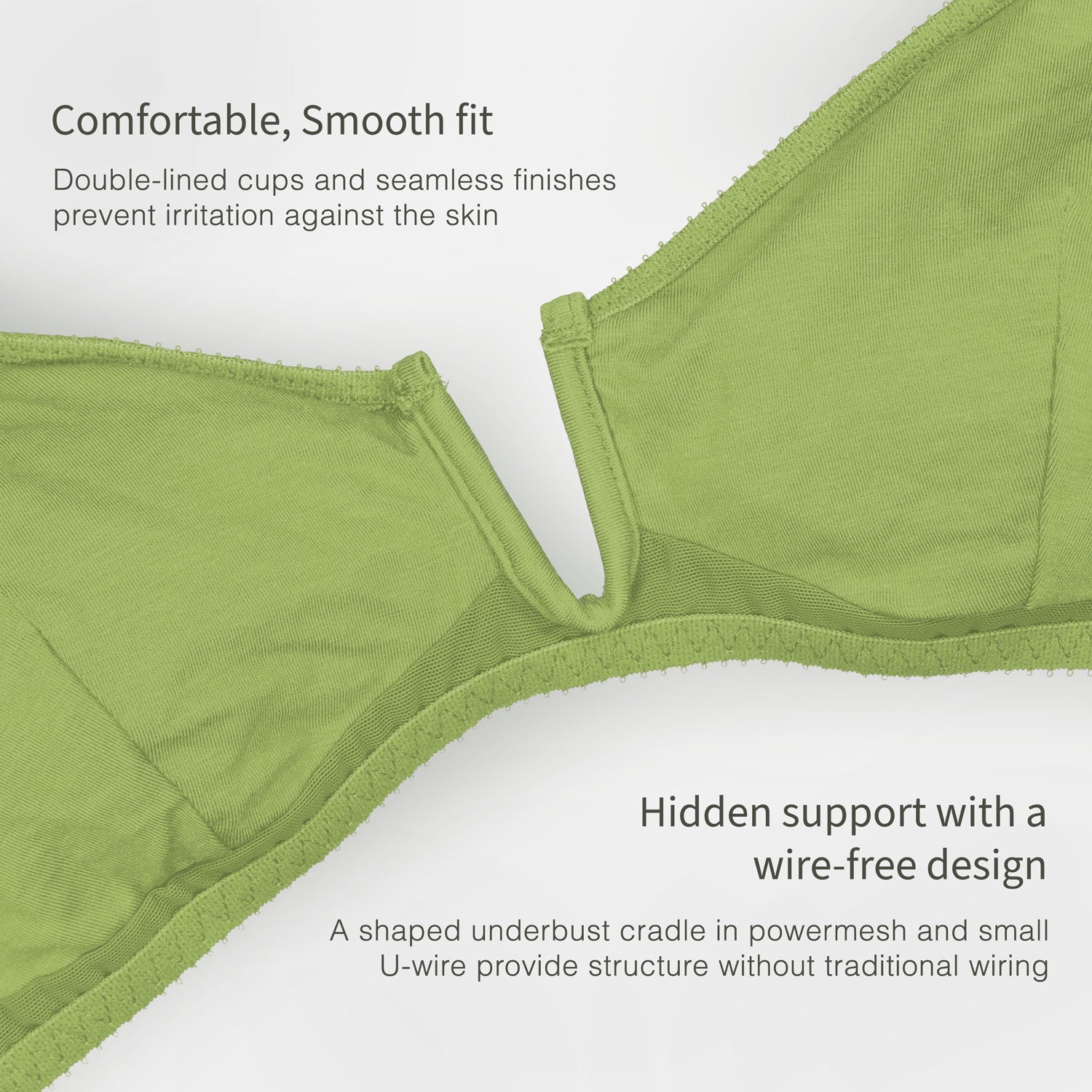
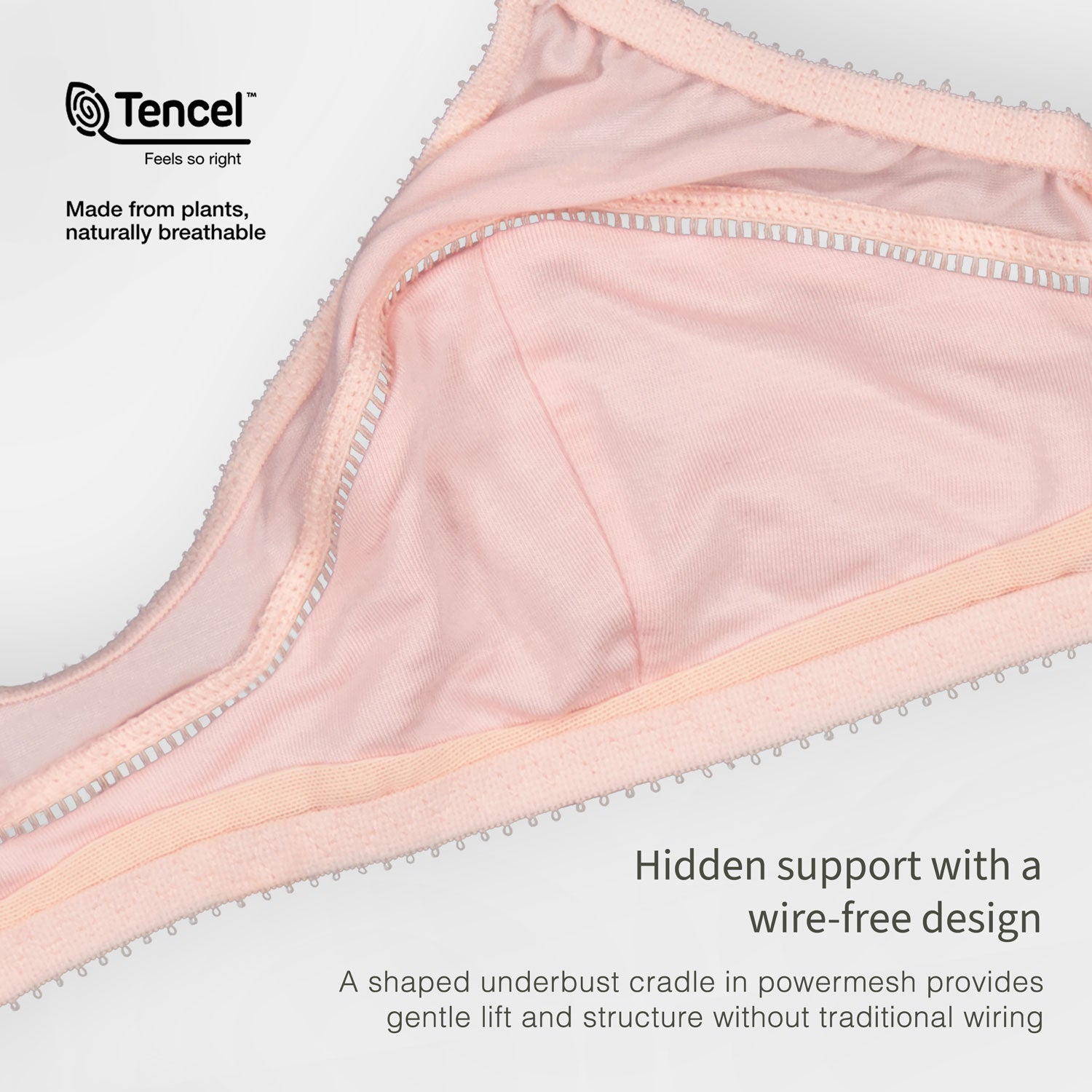
The test: look side-on in the mirror. The top edge of the cup should lie flat against your breast with no line cutting across it and no gap standing away from it. On our fuller-bust styles the powermesh sling inside the cup is doing quiet work here, holding the breast in and slightly forward instead of letting it drift out toward your arm. If you have been fitted before and told your size does not exist without an underwire, this is usually the thing that was missing.
4. Your breath, at the end of the day
The last test is the one no tape measure can give you, and it is the most honest. A bra that fits is one you can forget. At the end of a long day you should be able to take it off and feel nothing change, no rush of relief, no red marks pressed into your ribs, no held breath finally let go.
If taking your bra off is the best part of your day, your bra does not fit, however good the number on the tape was. That relief you feel is the measure of how much your body was quietly bracing against it all day. A bra worth keeping is one your body stops noticing, because there is nothing to notice.
Trust the four, not the tape
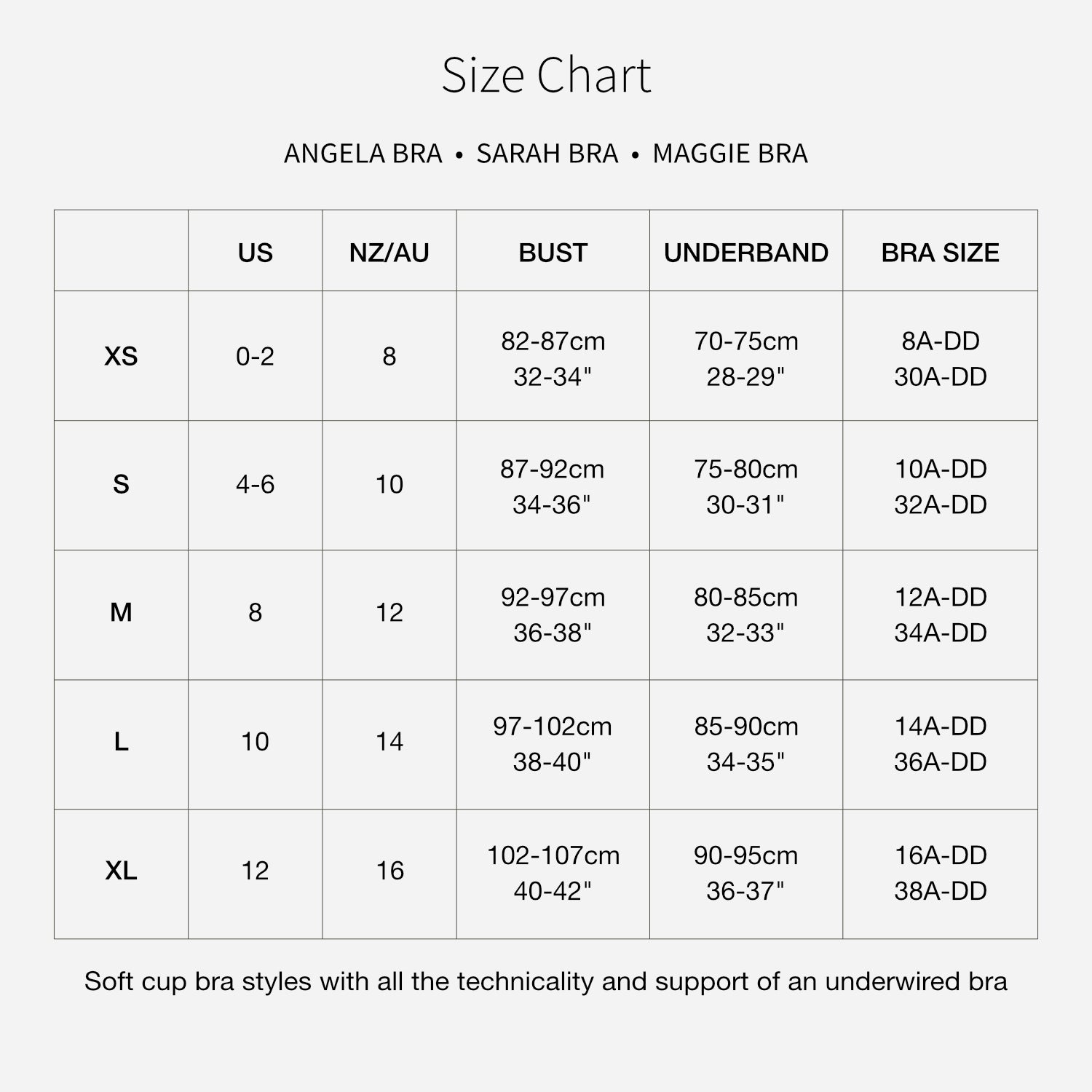
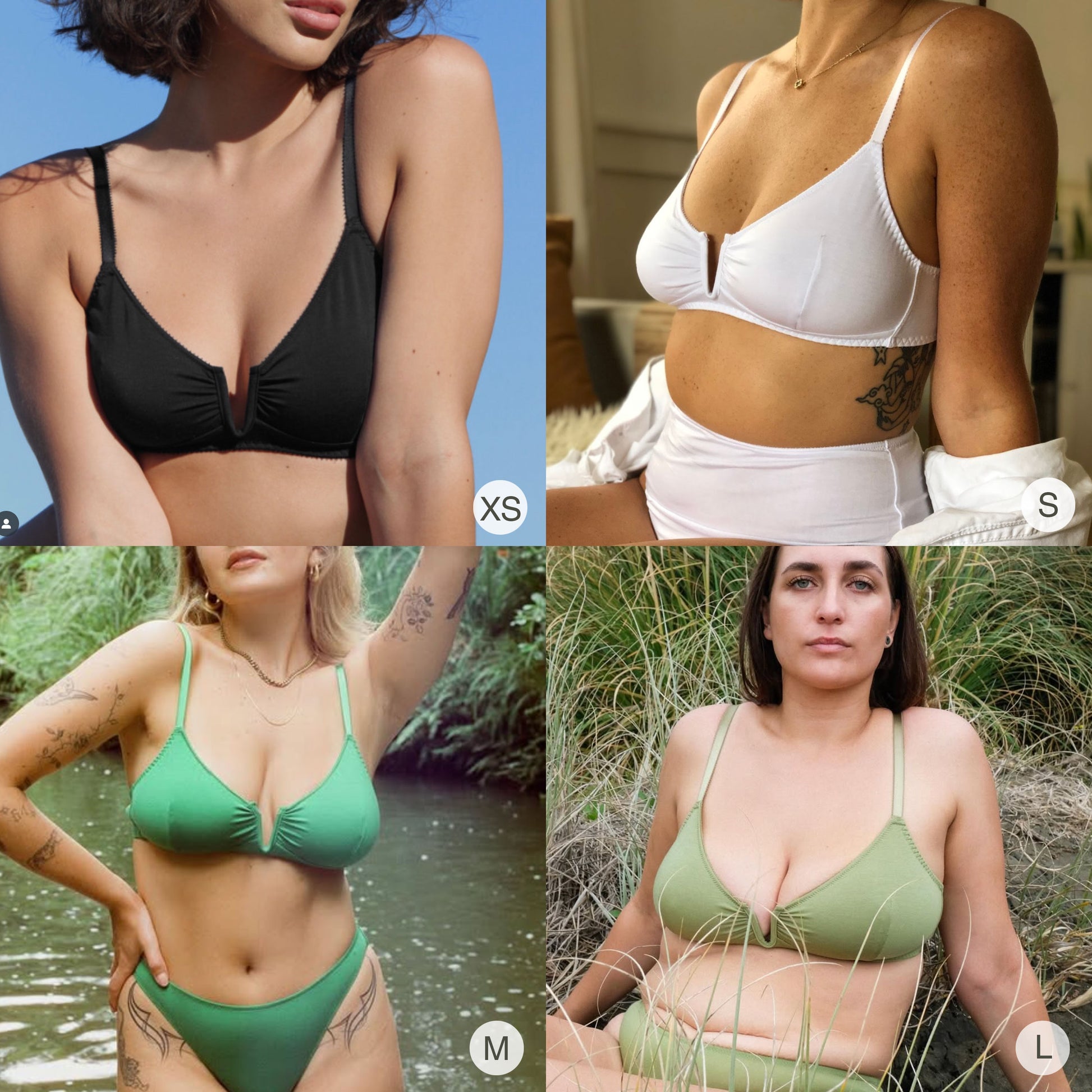
A tape measure is a starting point, not a verdict. The band level and firm, the straps light, the cups smooth, and your own breath easy at the end of the day. Those four are the real fit guide, and they belong to you, not to a fitting room. Our size guide on every product page will get you close, our team will help if you are between sizes, and Try Before You Buy means you can check all four at home, in your own mirror, under your own clothes, before you decide anything.