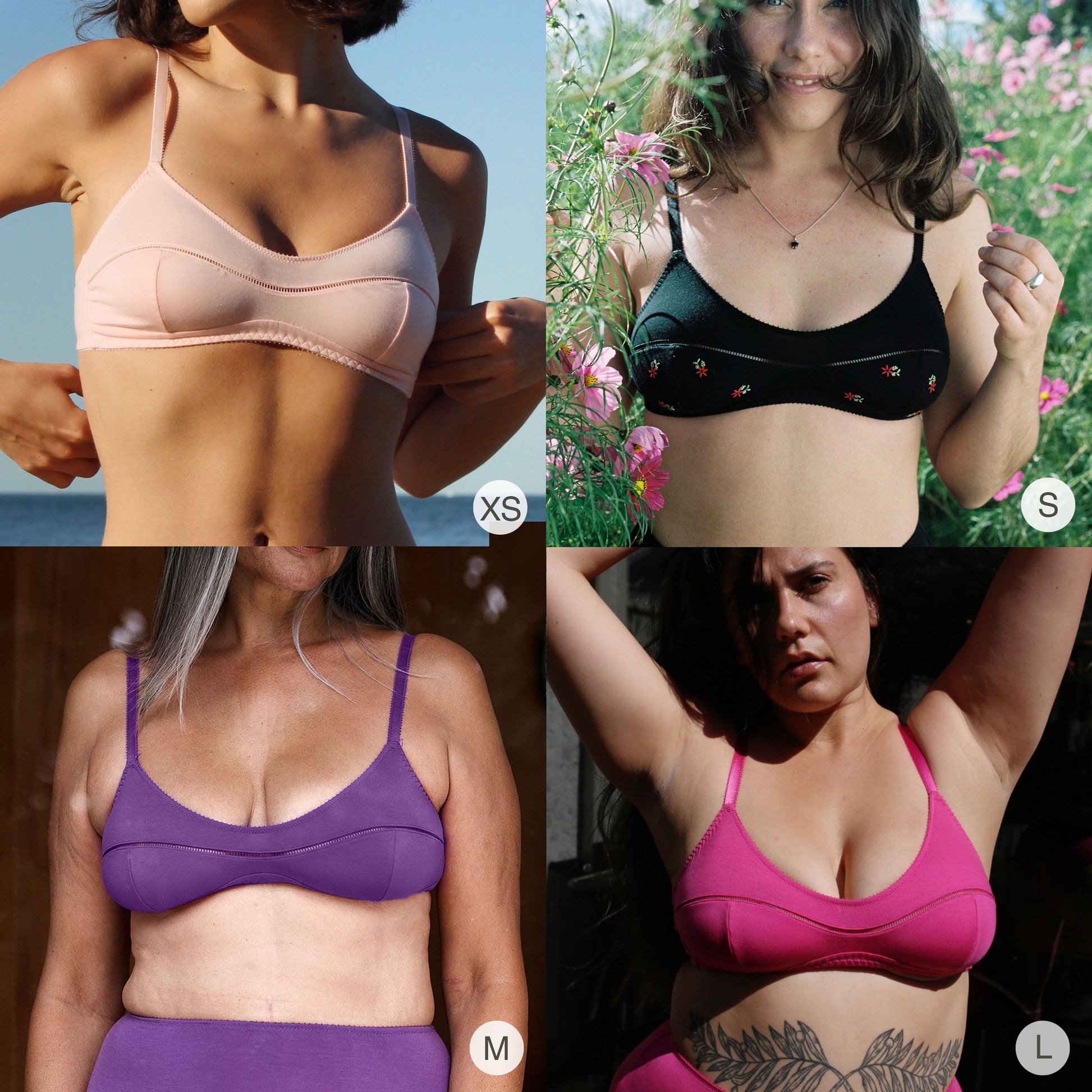
Your bra isn't just touching your skin. It's talking to your nervous system.
You probably take your bra off the moment you walk in the door. Most women do. We've called it “the best part of the day” for so long that it's become a joke but it's also a signal. A daily, full-body signal that the thing you wore all day wasn't quite right.
What if it wasn't just about discomfort? What if the bra you wore today was actually changing how you breathed, where you held tension, and how rested you felt by evening?
The bra-breath connection
Your diaphragm sits directly under your ribcage. When something compresses the lower ribs, a wire, a stiff band, a too-firm closure, the diaphragm doesn't move as freely. Breath becomes shallow. You probably don't notice you're doing it. But shallow breath, held for hours a day, keeps your nervous system in a low-grade alert state. Cortisol stays a bit higher. Shoulders stay a bit tighter. You feel “tired” without being able to name why.
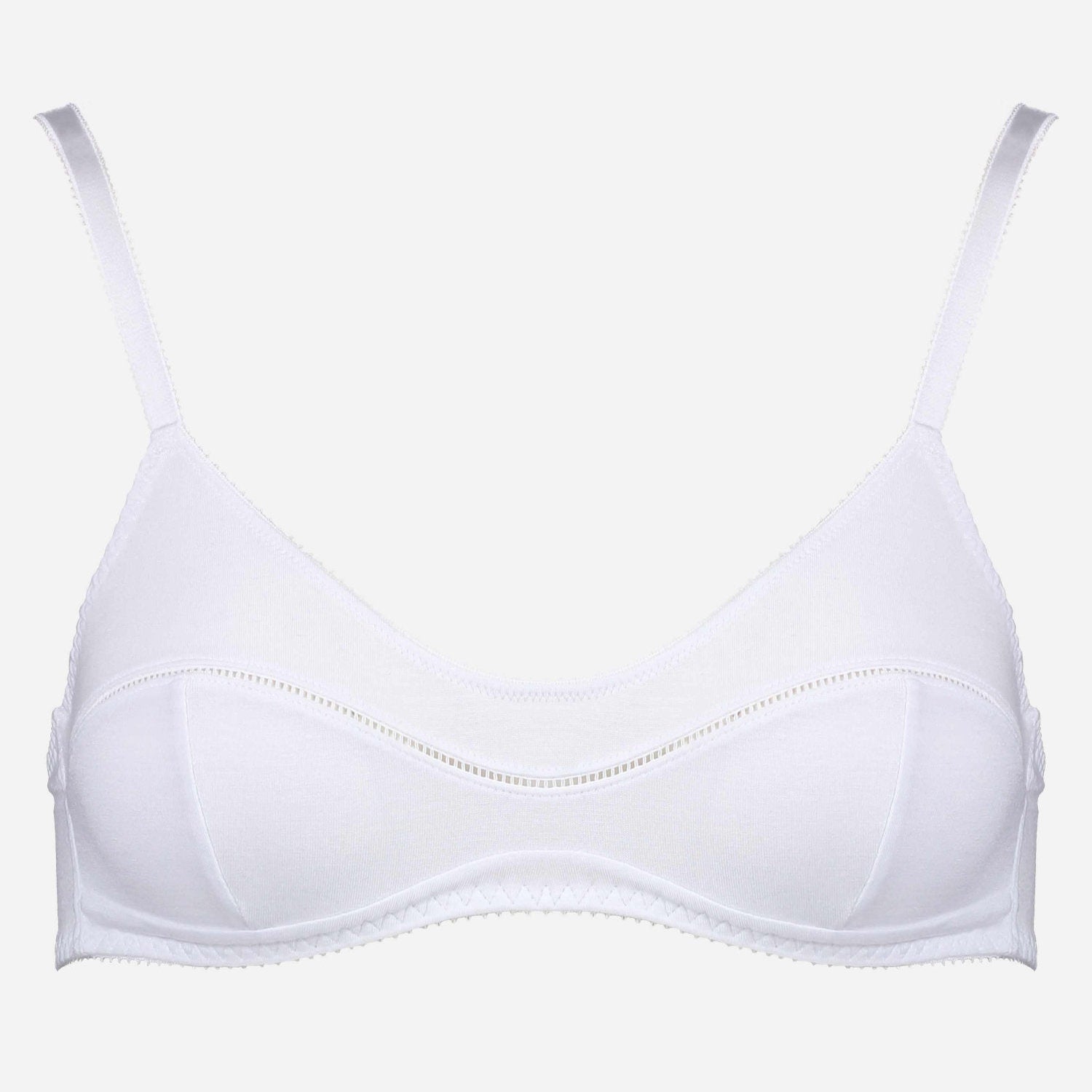
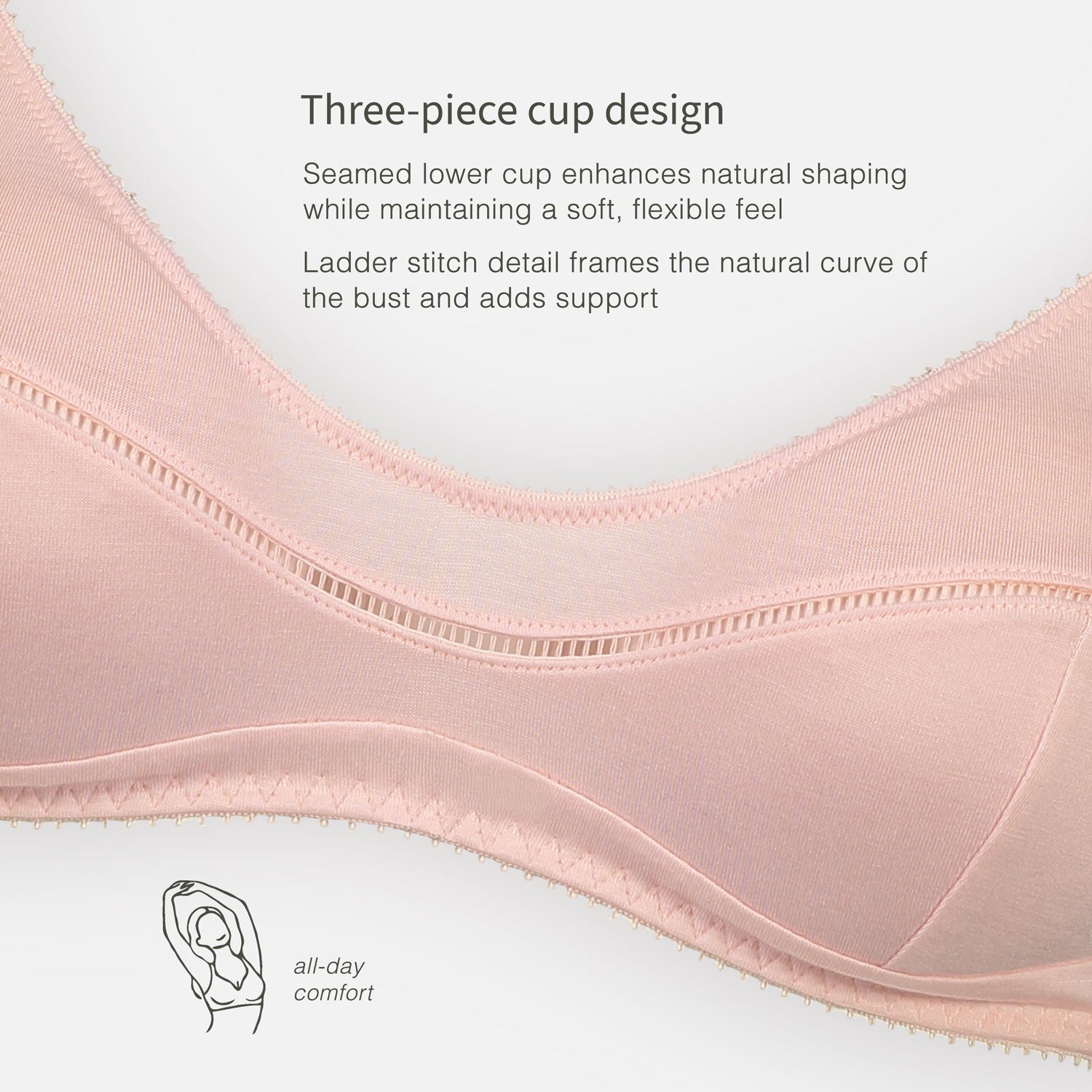
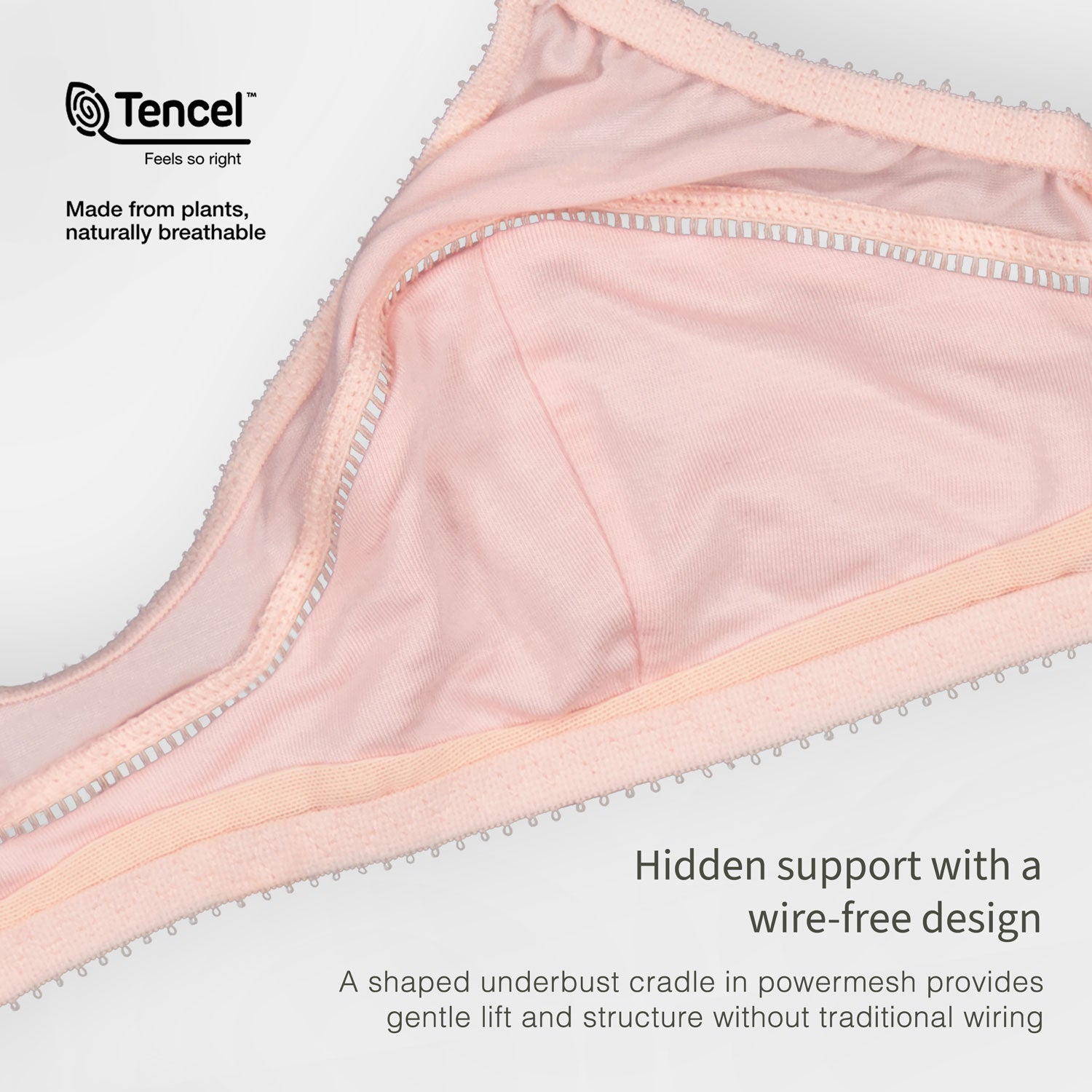
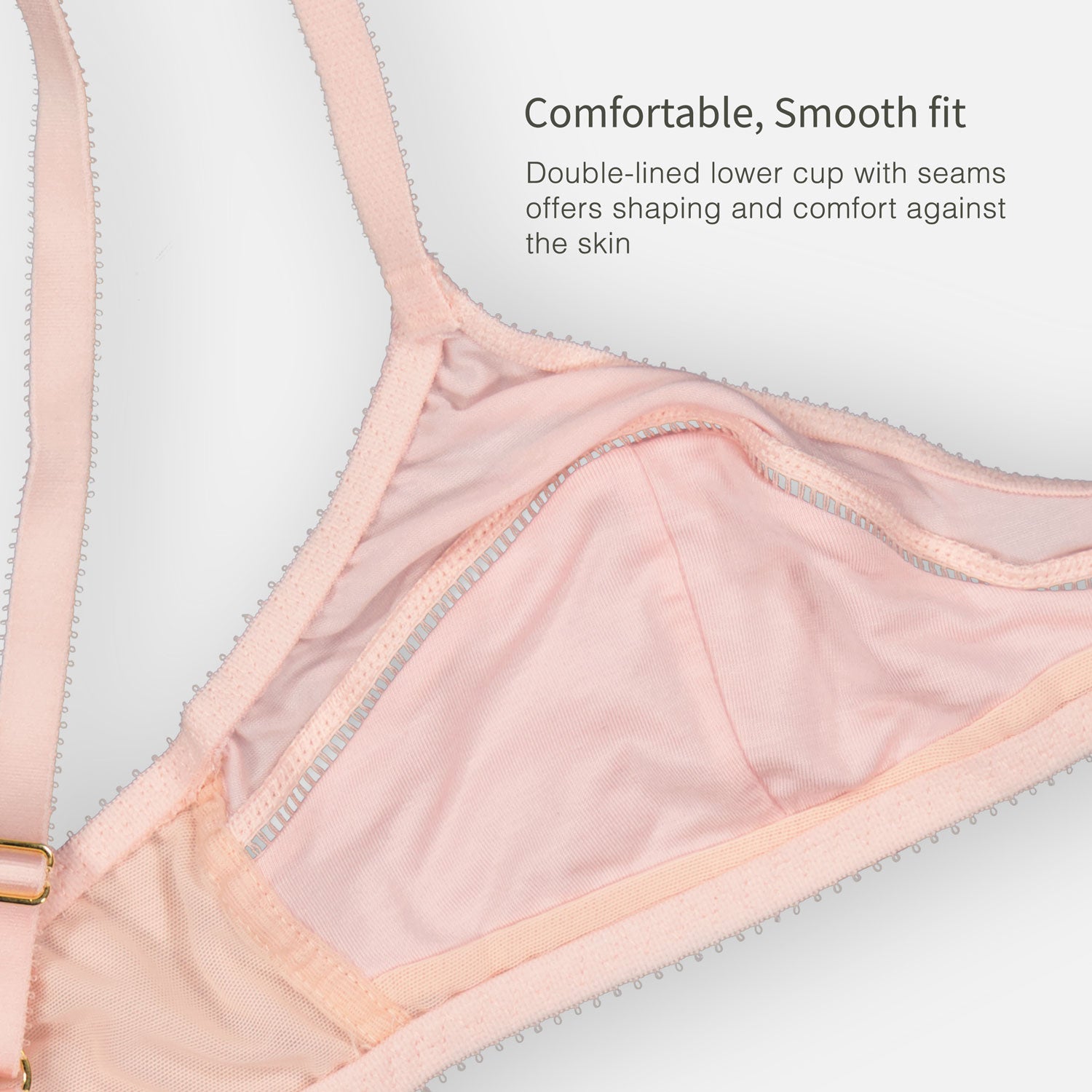
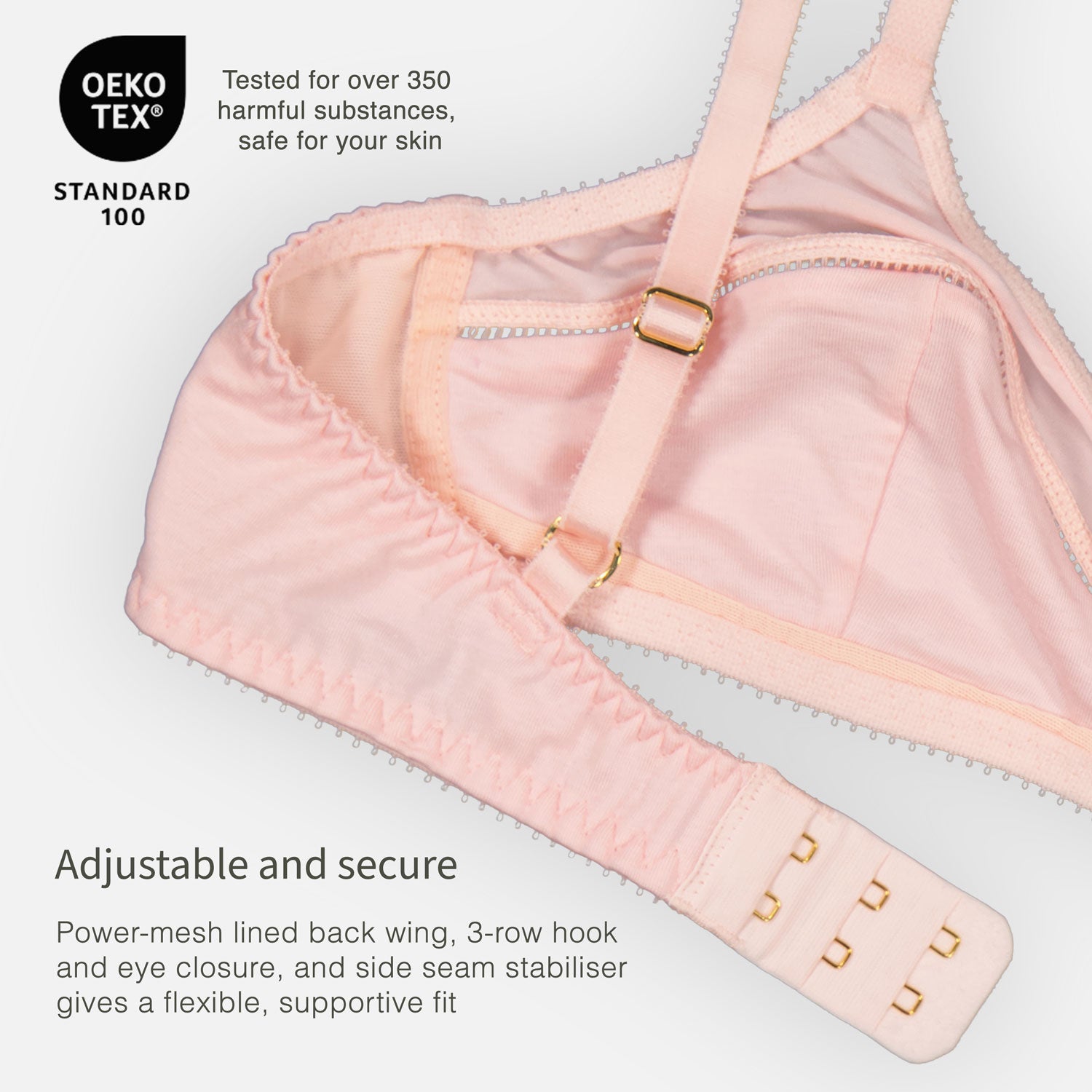
A wire-free bra doesn't fix everything. But it doesn't dig into the soft tissue around the ribcage, and it doesn't anchor itself to bone. It moves with you which means your diaphragm can too.

The skin tells the brain
The skin is the body's largest sensory organ, and the skin under and around the breasts is some of the most innervated tissue we have. It feeds constant information to the brain about pressure, friction, temperature, and tension. When that signal is “there's something firm pressing on me right now, and it isn't moving,” the brain registers low-grade threat for as long as you're wearing it.
This is why women so often describe a good wire-free bra not as “supportive” first, but as quiet. The conversation between skin and brain settles. The body stops sending the same complaint over and over.
What changes in winter
In cold months, the ribcage holds more tension by default. Breath naturally shortens. Layering adds pressure. Bras that were already a bit too firm in summer become genuinely uncomfortable, and the body's response is to brace, not to relax.
Winter is also when most women wear a bra for longer hours. We don't always change after work; we layer up and keep going. Which means the bra you choose in June, July, August matters more than the one you choose in February. It's on you longer. It's working harder.
What to look for instead
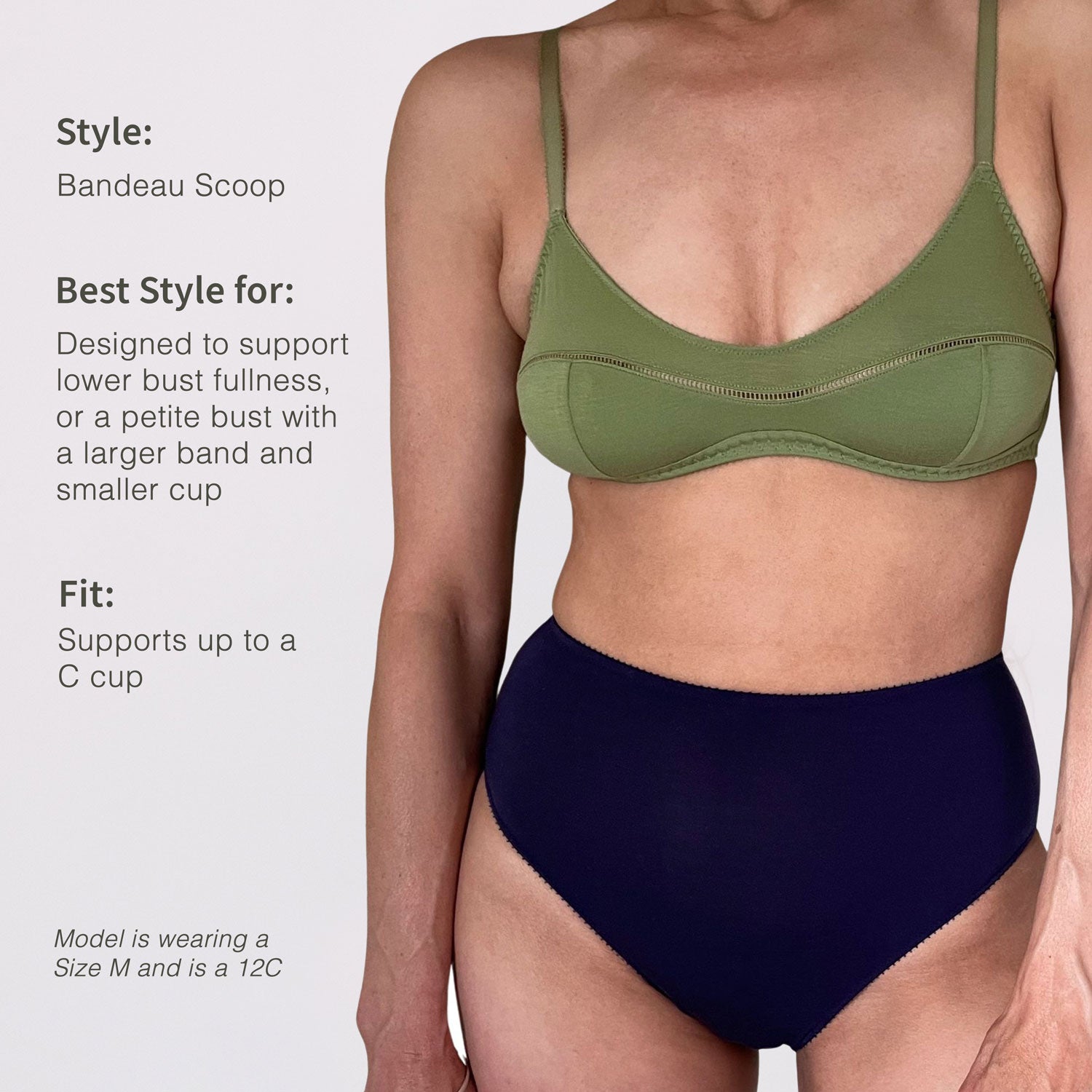
The shift isn't about giving up support. It's about understanding what support actually means. A wire-free bra that genuinely supports you will:
- Move slightly when you breathe in deeply
- Leave no uncomfortable marks at the end of the day.
- Feel forgettable.
That last one is the test. The best bras disappear.
We were never taught to ask whether our bra was helping or hindering. We were taught that discomfort was the cost of being held in. It isn't. The body has been telling us, daily, for years.